
Wellness devices improve sleep by using wearable technology, acoustic stimulation, and nerve modulation to promote deeper, more restorative rest. The Pittsburgh Sleep Quality Index (PSQI) is the clinical gold standard for measuring these improvements, and recent meta-analyses show meaningful gains across multiple device categories. The American Academy of Sleep Medicine advises using sleep technology as a supplement to good sleep hygiene, not a replacement for it. Somnastudioshop builds its product range around exactly this principle, combining comfort-focused design with clinically aligned technology to address common disturbances like light pollution, noise, and neck discomfort.
How wellness devices improve sleep: types and mechanisms
Wellness technology for sleep falls into four broad categories. Each works through a different biological pathway, which is why the right device depends on your specific sleep problem.
Wearable sleep trackers monitor heart rate, movement, skin temperature, and blood oxygen to estimate sleep stages. Wearable trackers enable long-term monitoring and behaviour change through machine learning feedback, though they are less precise than laboratory polysomnography. Their real value is in revealing patterns over weeks, not diagnosing a single night.
Acoustic entrainment headbands deliver low-frequency audio tones or pink noise directly to the ears. The neurological mechanism is called auditory entrainment: the brain synchronises its electrical activity to the rhythm of the sound, nudging it towards slower delta waves associated with deep sleep. The SomnaAura Pro from Somnastudioshop uses this principle in a contoured mask format that also blocks ambient light.
Transcutaneous auricular vagus nerve stimulation (taVNS) devices apply a mild electrical current to the ear to activate the vagus nerve. This reduces sympathetic nervous system activity, which is the “fight or flight” state that keeps many people awake. The Somna Lift and SomnaPulse from Somnastudioshop incorporate thermal and electrical muscle stimulation to support neck relaxation before bed, working along a similar physiological pathway.
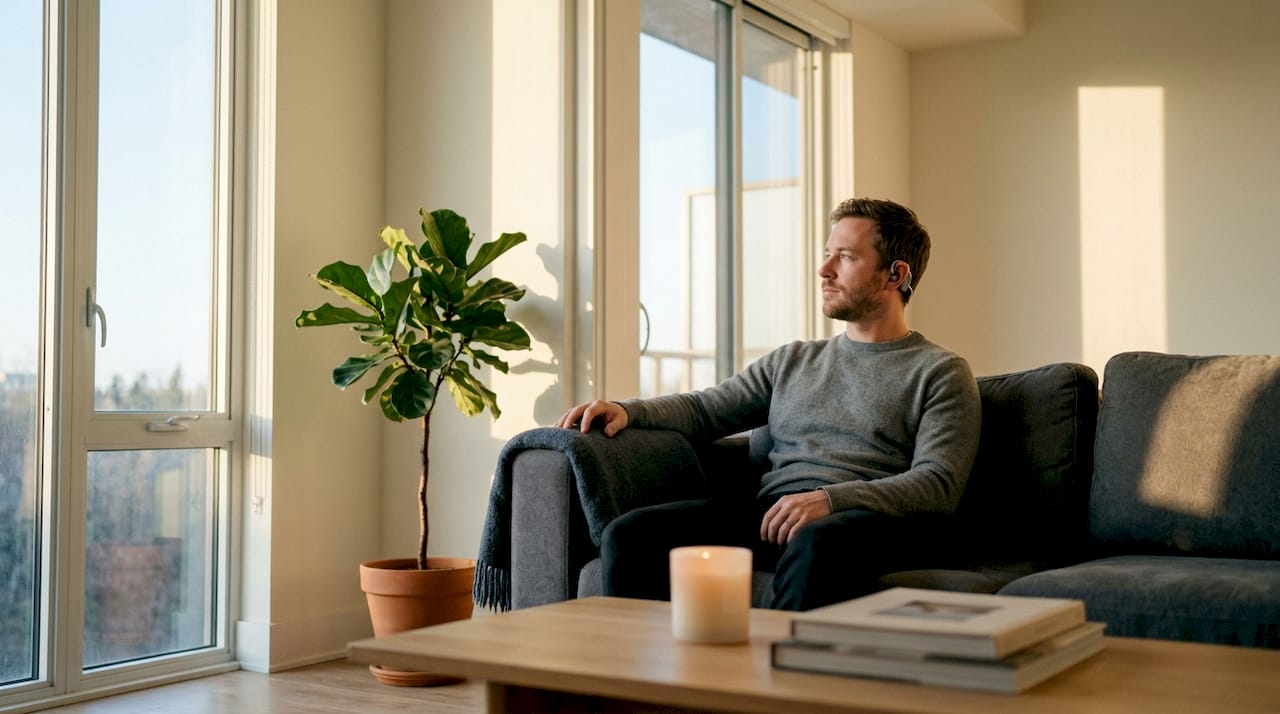
Sleep environment devices include white noise machines and light-blocking masks. These work by reducing sensory disruption rather than directly modulating brain activity.
| Device type | Primary mechanism | Typical benefit |
|---|---|---|
| Wearable tracker | Biometric monitoring and feedback | Long-term habit awareness |
| Acoustic headband | Auditory entrainment | Faster sleep onset, deeper sleep |
| taVNS device | Vagus nerve activation | Reduced insomnia severity |
| White noise machine | Ambient sound masking | Fewer night-time awakenings |
| Smart sleep mask | Light blocking and audio delivery | Combined sensory management |
What does clinical research say about sleep device effectiveness?
The evidence base for sleep wellness technology has grown considerably. Three areas of research stand out.
taVNS devices have the strongest clinical backing among consumer-adjacent categories. A meta-analysis of six randomised controlled trials involving 336 participants found a pooled 3.6-point improvement on the PSQI, with a large effect size and benefits sustained up to 20 weeks. A 3.6-point PSQI improvement is clinically meaningful. It represents the difference between poor and acceptable sleep quality on a validated scale used by sleep physicians worldwide.
Acoustic headbands also show strong results. A 2025 clinical trial found that 90% of people reported significant sleep quality improvements after four weeks of use, with a 50% average improvement in Insomnia Severity Index (ISI) scores. Participants also fell asleep faster and reported sleeping more deeply. A 50% ISI improvement is not a marginal gain. It places many participants below the clinical threshold for moderate insomnia.
Adaptive digital interventions represent the most technically advanced category. A meta-analysis of 12 randomised controlled trials with 798 participants showed that interventions triggered by passive physiological sensing significantly reduced wakefulness after sleep onset (WASO) and improved sleep duration, depressive symptoms, and quality of life. These systems adjust environmental factors such as temperature, sound, or light in real time based on biosignals.
| Study type | Participants | Key metric | Outcome |
|---|---|---|---|
| taVNS meta-analysis (6 RCTs) | 336 | PSQI improvement | 3.6-point gain, sustained 20 weeks |
| Acoustic headband trial (2025) | Not disclosed | ISI improvement | 50% average reduction |
| Adaptive interventions meta-analysis (12 RCTs) | 798 | WASO and sleep duration | Moderate to large effect sizes |
Research on digital therapeutics combining mindfulness apps and biometric wearables also shows lasting improvements in heart rate variability (HRV) and sleep efficiency by reducing physiological stress. HRV is a reliable marker of nervous system recovery, and improvements here translate directly to better rest.
Pro Tip: Track your PSQI score before starting any new device. Retesting after four weeks gives you an objective measure of whether the technology is working for you, rather than relying on subjective impressions.
What are the risks of using wellness devices for sleep?
Sleep devices carry real risks when used without awareness. The most counterproductive is orthosomnia, an unhealthy obsession with achieving perfect sleep data. Psychological studies identify orthosomnia as a growing concern among sleep tech users. The paradox is clear: the anxiety generated by monitoring imperfect data actively worsens the insomnia the device was meant to address.
Consumer-grade trackers are also less precise than clinical polysomnography. This matters because acting on inaccurate data can lead to unnecessary worry or misguided behaviour changes. A tracker that consistently underestimates deep sleep may cause a person to spend more time in bed, which is a known driver of chronic insomnia.
Blue light exposure from device screens before bed suppresses melatonin production. Any device with a screen, including smartphones used to review sleep data, should be set to night mode or avoided in the 60 minutes before sleep.
Best practices for responsible device use:
- Set a fixed time each day to review sleep data, not first thing in the morning or last thing at night.
- Treat tracker readings as trends over weeks, not verdicts on individual nights.
- Use audio and masking devices as sleep aids, not as crutches that replace consistent bedtime routines.
- Limit screen interaction with sleep apps to outside the bedroom.
- Consult a sleep specialist if device data consistently shows fragmented sleep or very low sleep efficiency.
Pro Tip: If you notice your mood or anxiety worsening after reviewing sleep scores, take a two-week break from checking the data. Continue using the device but ignore the metrics. Many people sleep better when they stop measuring.
How to integrate wellness devices into your sleep routine
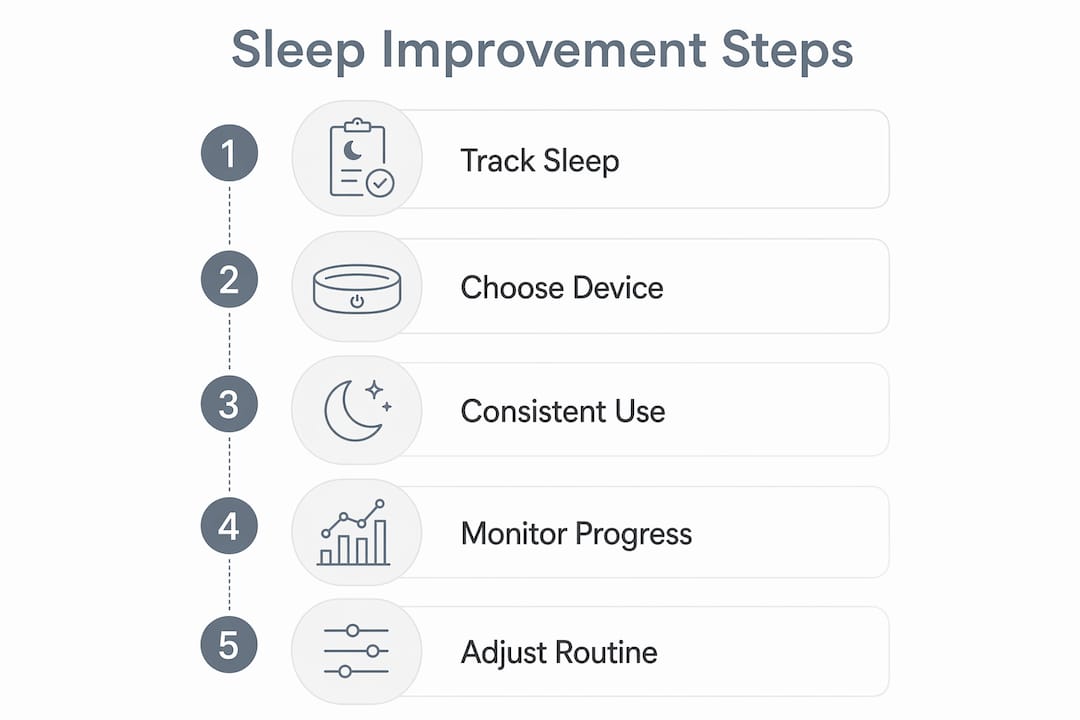
Choosing the right device starts with identifying your primary sleep problem. People with difficulty falling asleep benefit most from acoustic entrainment or taVNS devices. People with frequent night-time awakenings benefit more from environment control devices like white noise machines. People who want long-term pattern awareness benefit from wearable trackers.
Once you have selected a device, consistent use matters more than perfect use. Clinical trials for taVNS devices typically use daily 30-minute sessions. Acoustic headband trials run for four weeks before measuring outcomes. Short-term or irregular use produces weaker results.
Practical steps for effective integration:
- Identify your core sleep complaint: difficulty falling asleep, staying asleep, or poor sleep quality overall.
- Select a device category matched to that complaint using the table in the first section.
- Commit to a minimum four-week trial before evaluating results.
- Pair the device with consistent sleep and wake times, which is the single most evidence-backed behavioural intervention for sleep.
- Keep the bedroom cool, dark, and quiet. Devices work better in an already optimised environment.
- Use a Bluetooth sleep band or sound mask to combine audio therapy with light blocking in one step.
- Consult a sleep specialist if symptoms persist after eight weeks of consistent device use combined with good sleep hygiene.
Adaptive interventions that modify the sleep environment based on real-time biosignals represent the next step for those who want a more personalised approach. These systems go beyond passive tracking by actively responding to your physiology during the night.
Key takeaways
Wellness devices improve sleep most effectively when matched to a specific sleep complaint and used consistently alongside established sleep hygiene practices.
| Point | Details |
|---|---|
| Match device to complaint | Acoustic headbands suit sleep onset problems; white noise suits night-time awakenings. |
| Clinical evidence is strong | taVNS devices show a 3.6-point PSQI gain; acoustic headbands show 50% ISI improvement. |
| Orthosomnia is a real risk | Obsessive data monitoring can worsen anxiety and undermine the benefits of any device. |
| Trackers show trends, not diagnoses | Consumer-grade wearables support habit change but cannot replace clinical polysomnography. |
| Consistency drives results | Four-week minimum trials with daily use are standard in clinical research for good reason. |
Sleep tech works, but only if you use it honestly
I have spent years watching people buy sleep devices with genuine hope and then abandon them within a fortnight. The problem is rarely the technology. It is the expectation that a device will fix sleep without any change in behaviour or environment.
The clinical evidence for taVNS and acoustic entrainment is genuinely encouraging. A 3.6-point PSQI improvement is not a marketing claim. It is a result from randomised controlled trials. But those trials also used controlled protocols, consistent timing, and participants who were not simultaneously scrolling through their phones at midnight.
What I have observed is that the people who benefit most from sleep devices are those who treat them as one part of a broader commitment to rest. They go to bed at the same time every night. They keep their bedroom cool and dark. They use the device as a reliable part of a wind-down routine, not as a last resort after two hours of failed sleep.
The orthosomnia risk is real and underappreciated. I have spoken with people who were sleeping adequately until they started tracking their sleep. The data made them anxious. The anxiety made them sleep worse. The worse sleep made them track more obsessively. Breaking that cycle requires stepping back from the metrics entirely, which is uncomfortable for people who bought a device precisely because they wanted data.
My honest view is this: wellness devices are genuinely useful tools. They are not miracle solutions. The research supports their use as supplements to good habits, and the American Academy of Sleep Medicine is right to frame them that way. Use them deliberately, give them time to work, and do not let the numbers become the point.
— Hadi
Somnastudioshop’s range for better rest
Somnastudioshop designs its products around the same principles that clinical research supports: consistent sensory management, acoustic therapy, and physical relaxation before bed.
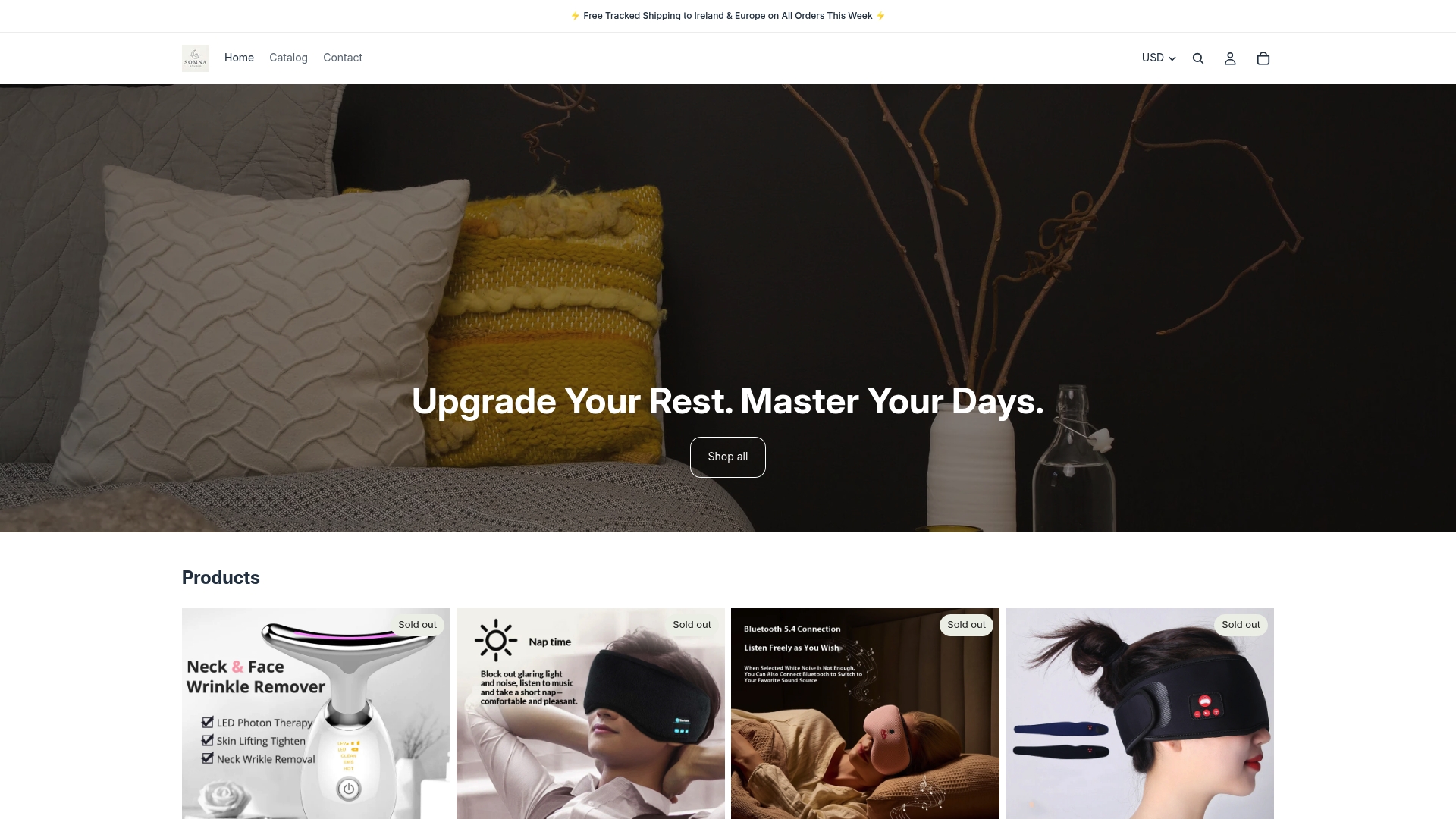
The SomnaAura Smart Sleep Mask combines Bluetooth audio delivery with full light blocking, addressing two of the most common sleep disruptors in a single wearable. The SomnaSound portable white noise machine is built for people who wake frequently due to environmental noise, whether at home or travelling. Both products are designed for nightly use, which is exactly what the clinical evidence recommends. Somnastudioshop’s full range is available at somnastudioshop.com.
FAQ
How do wellness devices improve sleep quality?
Wellness devices improve sleep by modulating brain activity through acoustic entrainment, reducing nervous system arousal via vagus nerve stimulation, or masking environmental disruptions with white noise. Clinical trials show meaningful improvements on validated scales like the PSQI and ISI after four weeks of consistent use.
Are sleep tracking devices accurate?
Consumer-grade sleep trackers are less precise than clinical polysomnography but provide reliable long-term trend data. They are useful for identifying patterns and supporting behaviour change, but should not be used for clinical diagnosis.
What is orthosomnia and how do I avoid it?
Orthosomnia is an anxiety disorder triggered by obsessive monitoring of sleep data, which paradoxically worsens sleep quality. Avoid it by reviewing sleep metrics weekly rather than nightly, and by treating individual night scores as data points rather than verdicts.
How long does it take for sleep devices to work?
Clinical trials for acoustic headbands and taVNS devices typically measure outcomes after four weeks of daily use. Expecting results within a few nights sets an unrealistic standard and increases the risk of abandoning a device before it has had time to work.
Can wellness devices replace good sleep habits?
The American Academy of Sleep Medicine is clear that sleep technology supplements, rather than replaces, good sleep hygiene. Devices work best when combined with consistent sleep timing, a cool and dark bedroom, and limited screen exposure before bed.