
Sleep tech gadgets for professionals are devices that optimise sleep conditions and track sleep metrics to improve rest quality and daytime function. The category spans wearable trackers, sound masking machines, light control tools, and neurotechnology headbands. Environmental control alone can improve daytime sleep quality by up to 30% for professionals with irregular schedules. That figure makes a strong case for treating sleep technology as a productivity investment, not a lifestyle luxury. Somnastudioshop builds its entire product range around this principle, combining sound masking, thermal comfort, and Bluetooth connectivity into devices designed for people who cannot afford poor rest.
What are the key criteria for selecting sleep tech gadgets for professionals?
The right sleep technology tool solves a specific problem without adding friction to an already busy routine. Before you buy anything, apply four filters.
Environmental control comes first. Sound and light management produces more consistent sleep improvement than tracking alone. A white noise machine or a blackout curtain addresses the root cause of disrupted sleep. A tracker only tells you the damage after the fact.
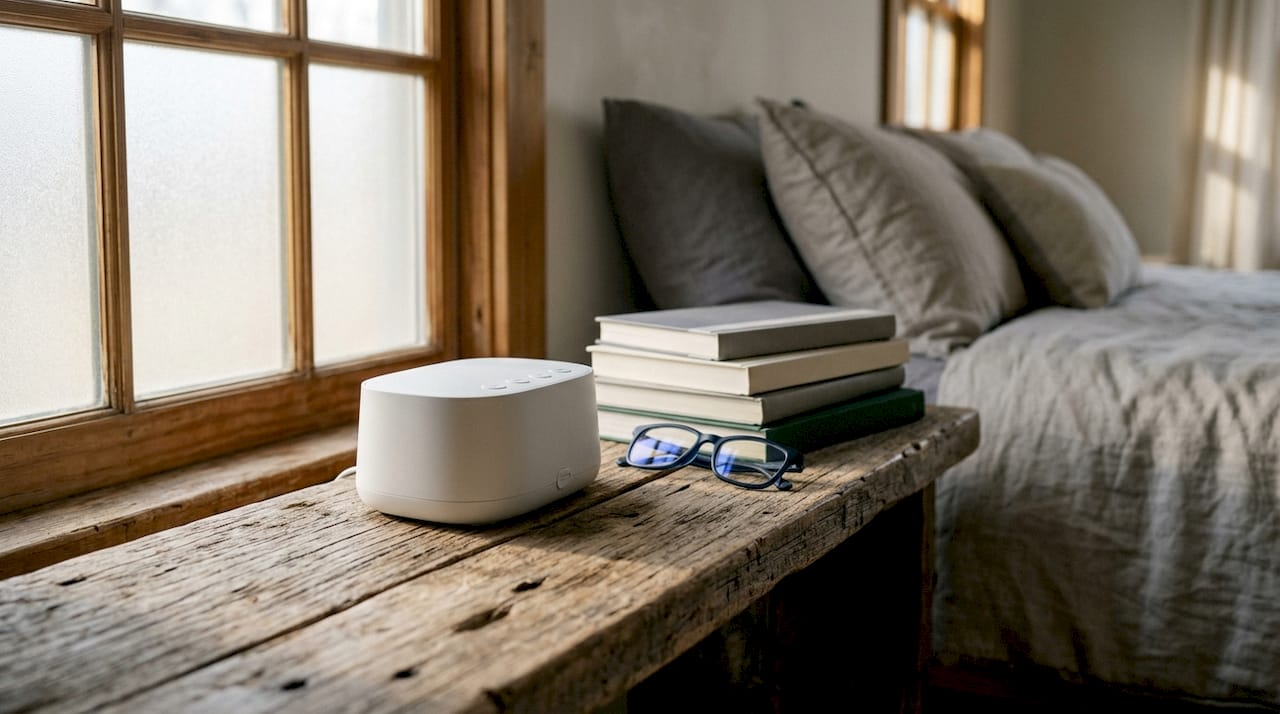
Form factor determines whether you actually use it. Passive devices that require no nightly setup see far higher retention than gadgets demanding manual activation. Automatic sleep detection removes the single most common failure point: forgetting to press a button when you are already exhausted.
Battery life must match your schedule. A device that needs charging every night competes with your phone for the bedside socket and adds one more task to your morning. Aim for a minimum of five days between charges for any wearable.
Data presentation matters as much as data volume. Professionals who obsess over nightly scores fall into what sleep researchers call the data-anxiety loop, where monitoring itself worsens sleep quality. Choose devices that surface weekly or monthly trends rather than daily grades.
Pro Tip: Before spending on a tracker, spend on blackout curtains and a white noise machine. Environmental fixes deliver faster results and cost a fraction of premium wearables.
1. White noise machines for consistent sound masking
White noise machines are the highest-value entry point for any professional sleep setup. They create a steady audio backdrop that masks traffic, neighbours, and office-building noise without requiring any nightly interaction. Devices in this category are highly rated by large sleep communities for their reliability and simplicity. The Somnastudioshop SomnaSound is a portable white noise machine built for professionals who travel between home and hotel rooms, keeping the audio environment consistent regardless of location.
2. Sound masks combining audio and light blocking
A sound mask integrates white noise delivery with physical light blocking in a single wearable. This dual function is particularly useful for professionals who sleep during daylight hours or in shared spaces. The Somnastudioshop SomnaAura Pro is a contour white noise sound mask that addresses both light pollution and ambient noise simultaneously. Its contoured design avoids pressure on the eyes, which is the most common comfort complaint with standard sleep masks.
3. Blackout curtains for light control
Blackout curtains are the most underrated item in any professional sleep kit. Light exposure during sleep suppresses melatonin production, which shortens sleep duration regardless of how tired you are. A quality set costs around £25–£40 and requires zero maintenance after installation. Paired with a white noise machine, blackout curtains form the environmental foundation that makes every other gadget more effective.
4. Blue-blocking glasses for pre-sleep screen use
Blue-blocking glasses reduce the stimulating effect of screens in the hour before bed. Professionals who check email or review documents late in the evening benefit most from this tool. Entry-level options cost as little as £10 and require no charging, syncing, or subscription. A baseline sleep setup combining blue-blocking glasses, blackout curtains, a white noise machine, and a free tracking app can cost under $115, making this the most cost-effective starting point available.
5. Wearable sleep trackers with automatic detection
Wearable trackers that detect sleep automatically produce far more accurate data than those requiring manual activation. Many wearables without automatic detection see usage lapses because exhausted professionals simply forget to activate sleep mode. The best trackers in this category also measure heart-rate variability, which gives a more complete picture of recovery than duration alone. Professionals benefit most from trackers that integrate heart-rate variability and recovery coaching rather than just tracking how long they slept.
6. High-endurance tracking rings
Tracking rings represent the most passive form factor available. They require no screen, emit no light, and sit on your finger without affecting sleep position. High-end sleep-tracking rings can provide up to 45 days of battery life, which eliminates the nightly charging problem entirely. On-device machine learning processes health data without requiring a constant phone connection, which suits professionals who travel across time zones regularly.
7. EEG neurotechnology headbands for active relaxation
EEG-based headbands actively guide the brain into a calmer state rather than passively recording what happens during sleep. Neurotechnology like the Muse S headband uses electroencephalography to detect mental activity and plays responsive audio cues that guide users toward sleep. This approach is particularly effective for professionals who struggle to switch off after high-pressure days. The Somnastudioshop SomnaPulse microcurrent device applies a similar principle using microcurrent therapy to reduce stress and accelerate relaxation before sleep.
Pro Tip: If you regularly lie awake replaying the day’s decisions, an active relaxation device will outperform any passive tracker. Tracking tells you what happened. Active devices change what happens.
8. Smart alarm clocks tuned to sleep cycles
A smart alarm clock wakes you at the lightest phase of your sleep cycle within a set window, typically 20–30 minutes before your target time. Waking from light sleep rather than deep sleep reduces grogginess and improves morning cognitive performance. Devices with passive form factors and fast USB-C charging see higher retention among busy professionals because they add no friction to the morning routine. Silent vibration alarms are particularly useful in shared bedrooms or hotel rooms.
How to build a practical sleep tech setup
Building an effective sleep setup does not require spending heavily upfront. The most cost-effective approach layers three pillars: environmental control, passive tracking, and active relaxation.
Starter setup (under £90): Blackout curtains, blue-blocking glasses, and a portable white noise machine cover light and sound. Add a free sleep tracking app on your existing phone for basic data. This combination addresses the two most common causes of poor sleep for professionals.
Mid-range setup (£90–£250): Replace the phone app with a wearable ring or wristband that detects sleep automatically. Add a sound mask for travel. At this level, you gain reliable data without daily maintenance.
Advanced setup (£250+): Introduce an EEG headband or microcurrent device for active relaxation. Pair it with a high-endurance ring for long-term trend data. This tier suits professionals whose sleep problems stem from stress rather than environment.
| Setup tier | Key components | Best for |
|---|---|---|
| Starter | Blackout curtains, white noise machine, blue-blocking glasses | First-time buyers, budget-conscious professionals |
| Mid-range | Wearable ring, sound mask, environmental basics | Frequent travellers, data-driven professionals |
| Advanced | EEG headband, microcurrent device, high-endurance ring | High-stress roles, chronic sleep onset issues |
Prioritise devices that require the least daily interaction. Gadget fatigue is real. If a device adds three steps to your bedtime routine, you will stop using it within a fortnight.
What are the unique features of advanced sleep tech gadgets?
Advanced sleep technology moves beyond measurement into active intervention. The most significant features at this tier are EEG-based relaxation guidance, machine learning recovery scoring, and durable passive form factors.
“For those who find it difficult to switch off after stress, EEG-based headbands provide active relaxation guidance and can accelerate sleep onset more effectively than passive tracking devices.”
EEG-based devices detect real-time brain activity and respond with audio or haptic cues that guide the user toward sleep. This is categorically different from a tracker, which only records. Machine learning recovery scoring analyses patterns across weeks rather than nights, giving professionals a reliable readiness signal before high-stakes days. Professionals with high physical activity levels or a preference for clinical data benefit most from trackers that integrate heart-rate variability and tailored recovery advice.
Durability and passive operation are the defining features that separate professional-grade devices from consumer gadgets. A device that emits light, requires nightly charging, or needs manual activation will not survive a demanding professional routine for long.
How to overcome common challenges when using sleep tech gadgets
The most common failure with sleep technology is not the device. It is the behaviour around the device. Three problems account for most drop-off.
Manual activation errors cause data gaps that make trend analysis unreliable. The fix is simple: only buy devices with automatic sleep detection. This single feature has a larger impact on long-term adherence than any other specification.
Data anxiety is the second pitfall. Professionals who check their sleep score every morning and adjust their mood accordingly are using the technology against themselves. Focus on two-to-four-week trends rather than nightly scores. A single poor night means nothing. A pattern of poor nights means something needs to change.
Charging friction causes abandonment. A device that needs daily charging will eventually be left on the desk rather than worn. Choose gadgets with at least five days of battery life and USB-C fast charging.
Pro Tip: Set a weekly, not daily, review of your sleep data. Open the app on Sunday morning, look at the week’s trend, and make one small adjustment. Daily checking creates anxiety without producing better decisions.
Key takeaways
The most effective approach to sleep technology for professionals combines environmental control with passive, automatic tracking and, where stress is the root cause, active relaxation devices.
| Point | Details |
|---|---|
| Environment before tracking | Fix light and sound conditions before investing in any wearable tracker. |
| Automatic detection is non-negotiable | Devices without automatic sleep detection produce unreliable data and lower adherence. |
| Budget setups work | A starter kit under £90 covering light, sound, and basic tracking delivers substantial improvement. |
| Focus on weekly trends | Reviewing two-to-four-week data patterns prevents data anxiety and produces better decisions. |
| Match the device to the problem | Use active relaxation devices for stress-driven insomnia; use trackers for recovery monitoring. |
Why I think most professionals are buying sleep tech in the wrong order
I have watched colleagues spend £300 on a tracking ring while sleeping in a room with thin curtains and a noisy street outside. The ring tells them their sleep is poor. The curtains and a white noise machine would have fixed it.
The industry has a vested interest in selling you the most expensive device first. Trackers generate subscription revenue and app engagement. Blackout curtains do not. But the evidence is clear: environmental hardware delivers faster, more consistent results than monitoring alone.
My honest recommendation is to spend your first £60 on environment, your next £80 on a passive wearable with automatic detection, and only then consider active relaxation devices if stress remains the bottleneck. The data from your tracker will be far more meaningful once your environment is controlled.
The other thing I have learned is that sleep data is most useful when it changes your behaviour, not your mood. If your score makes you anxious, turn off the daily notification. Use the weekly summary instead. Sleep technology should reduce stress, not add to it.
— Hadi
Somnastudioshop’s sleep gadgets for professionals
Somnastudioshop builds devices specifically for professionals who need results without complexity. The SomnaAura Pro sound mask combines white noise delivery with contoured light blocking in a single wearable, addressing the two most disruptive environmental factors at once. The SomnaSound portable white noise machine suits professionals who need a consistent audio environment across different locations. For those dealing with stress-driven sleep problems, the SomnaPulse microcurrent device delivers targeted relaxation therapy before sleep.
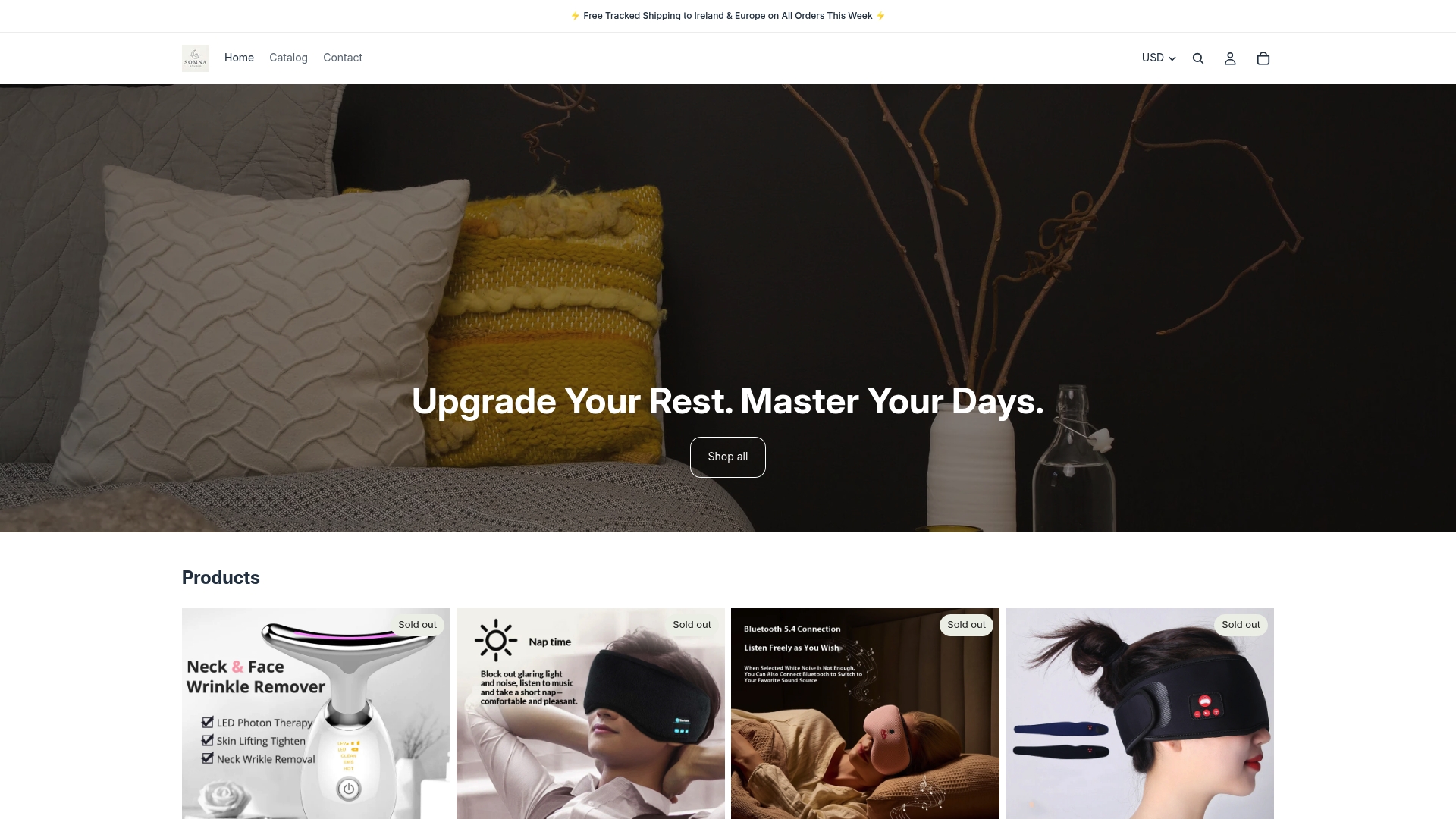
Each Somnastudioshop product is designed to require minimal setup and no subscription, fitting directly into a professional routine without adding friction.
FAQ
What are sleep tech gadgets for professionals?
Sleep tech gadgets for professionals are devices that improve sleep conditions or track sleep metrics to enhance rest quality and daytime performance. They include sound masking machines, wearable trackers, light control tools, and active relaxation devices.
Can sleep tech actually improve productivity?
Yes. Controlling environmental factors such as light and sound can improve sleep quality by up to 30%, which directly supports cognitive performance and recovery. Professionals who address sleep disturbances report measurable gains in focus and decision-making.
Should I buy a tracker or an environmental device first?
Buy an environmental device first. Sound masking and light control address the root causes of poor sleep. A tracker only measures the problem; it does not solve it.
How do I avoid data anxiety with sleep trackers?
Review your sleep data weekly rather than daily, and focus on two-to-four-week trends. A single poor night score carries no meaningful information. A pattern across several weeks does.
What is the most important feature in a professional sleep wearable?
Automatic sleep detection is the most important feature. Devices that require manual activation see frequent usage lapses among busy professionals, which makes the data unreliable and reduces long-term adherence.