
A portable sleep hygiene kit is a curated collection of items and rituals designed to promote restorative sleep anywhere, particularly during travel or a hectic daily schedule. The role of a portable sleep hygiene kit is to give you targeted control over your sensory environment when hotels, trains, and unfamiliar rooms refuse to cooperate. Poor sleep in transit is not simply inconvenient. It disrupts circadian rhythm, suppresses melatonin production, and compounds into chronic fatigue. Somnastudioshop builds products specifically for this problem, combining parasympathetic nervous system regulation with portable, technology-led design.
What essential components make up a portable sleep hygiene kit?
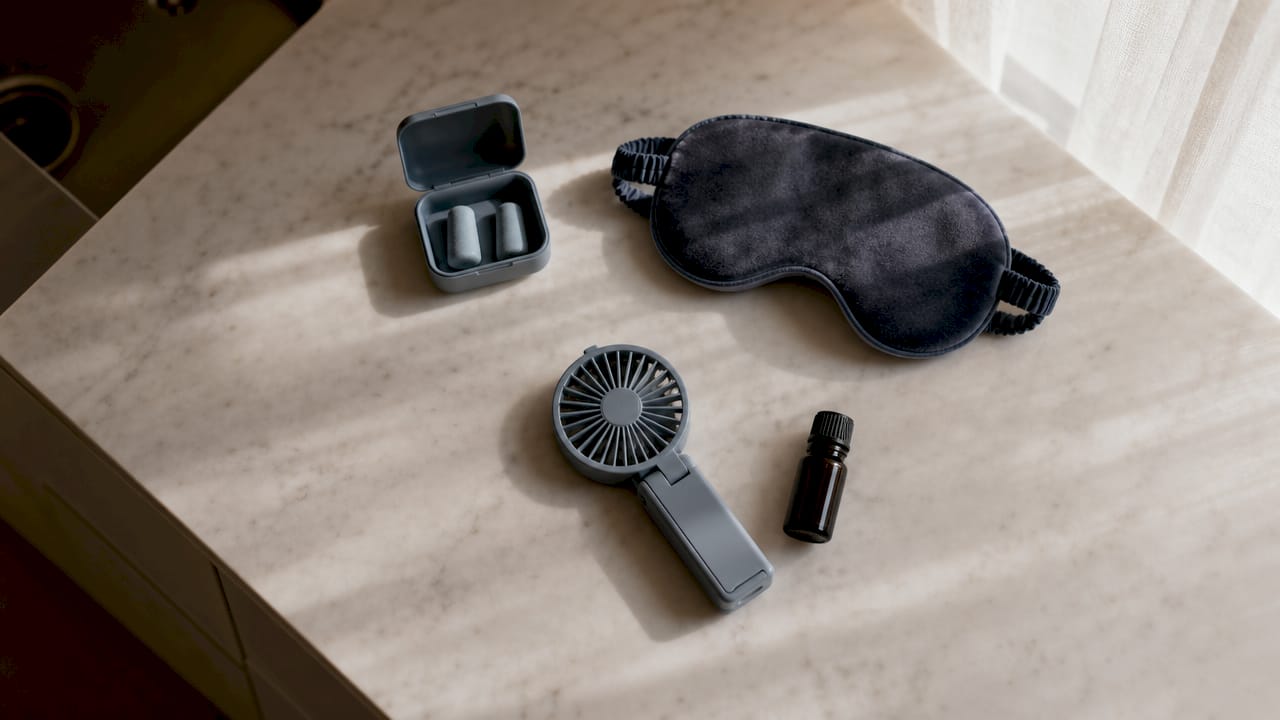
An effective portable sleep hygiene kit contains 5–7 foundational items that address the four main sleep disruptors: noise, light, temperature, and touch. Getting that number right matters. Too few items and you leave gaps; too many and the kit becomes a burden you stop using.
The core components fall into clear categories:
- Light blocking. A 3D-contoured sleep mask sits away from the eyelids, preventing pressure on the eyes during REM sleep. Standard flat masks press against the face and disrupt comfort.
- Noise control. Basic foam earplugs cost around £8 and reduce ambient noise reliably. Sleep-specific earbuds provide up to 9 hours of continuous use, masking hotel corridor noise through the night. High-end active noise-cancelling headphones reach approximately £420.
- Tactile comfort. A silk pillowcase or liner protects against abrasive hotel bedding. This is not a luxury item. It is a functional barrier between your skin and textiles that trigger wakefulness.
- Temperature regulation. A compact travel fan plugged into a USB outlet manages room temperature and simultaneously produces a low, consistent sound.
- Portable sound masking. A dedicated white noise machine, such as the SomnaSound portable device, delivers a consistent audio environment without relying on your phone battery.
- Neck and postural support. A travel pillow prevents the neck strain that wakes you mid-flight or mid-nap.
| Item | Primary function | Approximate cost |
|---|---|---|
| Foam earplugs | Noise reduction | £8–£15 |
| Sleep-specific earbuds | Active noise masking, 9-hour battery | £80–£200 |
| 3D-contoured sleep mask | Light blocking without eye pressure | £15–£40 |
| Portable white noise machine | Consistent sound environment | £25–£80 |
| Silk pillowcase or liner | Tactile comfort, temperature regulation | £20–£60 |
| Travel pillow | Neck support during transit | £25–£50 |
Pro Tip: Choose items that serve more than one function. A travel fan, for example, handles both temperature and sound masking, saving space and weight in your bag.
How does a portable sleep hygiene kit improve sleep quality?
The kit works by establishing a sensory safety baseline, a term from neurodivergent sleep research that describes the minimum level of environmental control your nervous system needs before it will allow sleep onset. In an unfamiliar room, your brain stays alert to potential threats. The kit removes those triggers one by one.
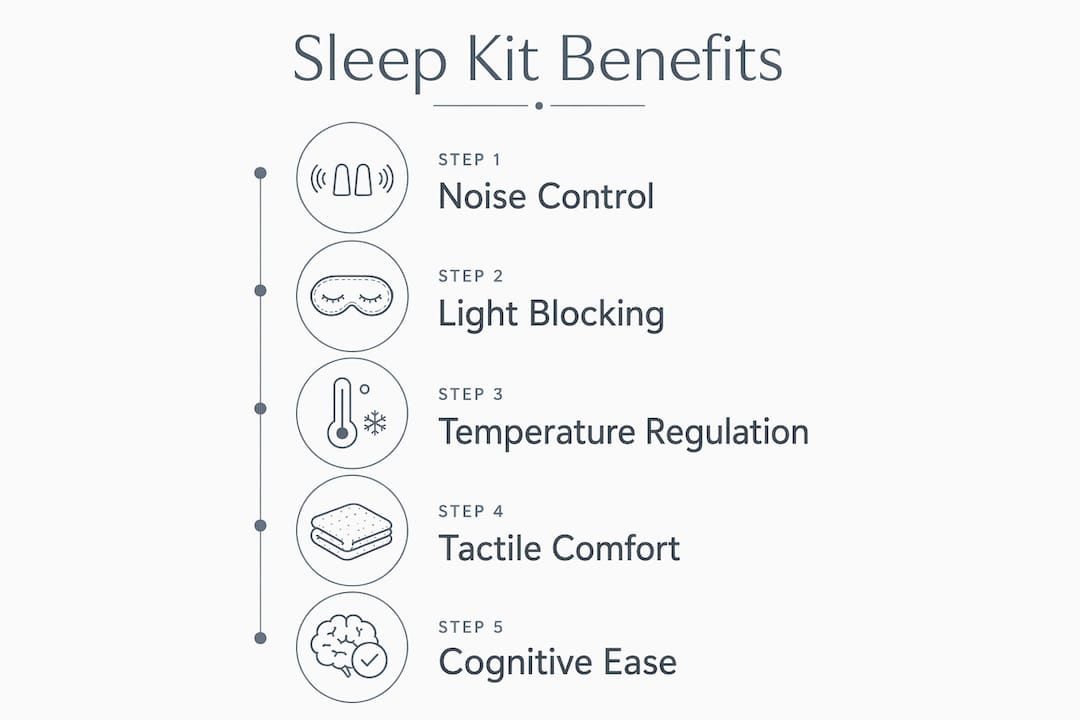
Light and noise control are the most direct mechanisms. Blocking light prevents the suppression of melatonin, the hormone that signals sleep readiness to your body. Masking unpredictable noise removes the startle response that fragments sleep architecture. Circadian recalibration after travel requires approximately 30 minutes of consistent sensory input, while rapid parasympathetic regulation can begin within 12 minutes of a structured arrival ritual.
The tactile dimension is frequently underestimated. The “first-night effect” describes the well-documented phenomenon where one hemisphere of the brain stays partially alert in a new environment. Bringing a personal pillowcase or silk liner physically reduces the sensory novelty of the bed, which measurably reduces wakefulness.
“Establishing a sensory safety baseline upon arrival is critical to reduce cognitive load and promote sleep readiness in unfamiliar environments. Unpacking and setting up sensory gear immediately after arrival anchors the nervous system.”
A repeatable arrival ritual is the mechanism that ties the kit together. Follow this sequence when you reach your room:
- Close the curtains fully and assess residual light sources.
- Place your 3D sleep mask and earplugs within reach of the bed.
- Plug in your white noise machine or portable fan and set it to a low, steady volume.
- Lay out your silk liner or personal pillowcase on the bed.
- Spend 5 minutes on slow, diaphragmatic breathing to activate the parasympathetic nervous system.
- Dim your phone screen and place it face-down before lying down.
Pro Tip: Begin your arrival ritual within 10 minutes of entering the room. Delaying setup allows cognitive load to build, making sleep onset harder even when the environment is eventually controlled.
For a deeper look at how wellness devices support sleep, the science behind parasympathetic activation applies directly to kit design.
What examples of travel sleep kit essentials tackle noise, light, and temperature?
Common sleep disruptors in hotels and transit are predictable, which means solutions can be prepared in advance. Noise, intrusive light, temperature discomfort, and abrasive textiles account for the vast majority of travel sleep complaints.
Here are practical examples of travel sleep kit essentials matched to each disruptor:
- Hotel corridor noise. Sleep-specific earbuds with passive isolation handle moderate noise. For louder environments, layer foam earplugs underneath a white noise source. Noise masking should soften environmental changes rather than blast sound, because overstimulation from excessive volume disrupts sleep just as much as the original noise.
- Standby LED lights. Hotel televisions, smoke detectors, and charging ports emit constant low-level light. Black electrical tape over standby indicators is a low-cost solution that many experienced travellers carry as standard. A 3D sleep mask handles the rest.
- Temperature discomfort. A USB-powered travel fan regulates air movement and produces white noise simultaneously. This dual function makes it one of the most space-efficient items in any travel kit.
- Abrasive bedding. Hotel sheets vary enormously in thread count and fabric type. A silk liner slips over the duvet or pillow and creates a consistent tactile surface regardless of what the hotel provides.
- Combined disruptors. Products that address multiple issues simultaneously are the most efficient choice. The SomnaAura Smart Bluetooth Sleep Sound Mask combines light blocking with built-in sound masking, removing the need for separate earbuds and a sleep mask.
Pro Tip: Pack a small strip of black electrical tape in your kit as standard. It weighs nothing, costs almost nothing, and solves one of the most overlooked sleep disruptors in hotel rooms.
For more detail on how sound masking improves rest, layered techniques consistently outperform single-source solutions.
How to pack and use a portable sleep hygiene kit efficiently
Kit accessibility determines whether you actually use it. A kit buried in checked luggage is useless on a red-eye flight. Every item should fit in a carry-on pocket or the top compartment of a commuter bag, ready to deploy within two minutes of sitting down or arriving at your room.
Packing strategy follows a simple rule: group items by the order you use them. Earplugs and a sleep mask go in the outermost pocket because you reach for them first. The white noise machine and fan go deeper because they require a power source and take slightly longer to set up. A silk liner folds flat and sits between the two layers.
Maintaining kit repeatability is as important as the initial setup. When you return home, restock any consumables (foam earplugs, for example) immediately rather than waiting until the next trip. This prevents the common mistake of arriving at a destination with an incomplete kit.
Follow this sequence for efficient deployment:
- Remove earplugs and sleep mask from the outer pocket and place them on the bedside table.
- Plug in the white noise machine or fan and start it before unpacking anything else.
- Lay out the silk liner on the bed.
- Cover any standby lights with electrical tape.
- Set your phone to night mode and place it out of arm’s reach.
Pro Tip: Use a sleep or mindfulness app during your first 10 minutes in the room if you find the ritual hard to start alone. Even a 5-minute guided breathing session activates the parasympathetic response and signals to your brain that sleep is the next task.
Reviewing sleep hygiene best practices alongside your kit routine reinforces the habits that make the biggest difference over time.
Key takeaways
A portable sleep hygiene kit works because it removes the four primary environmental barriers to sleep, noise, light, temperature, and touch, through a repeatable ritual that activates the parasympathetic nervous system within 12–30 minutes of arrival.
| Point | Details |
|---|---|
| Kit size and scope | A kit of 5–7 items covers all major sleep disruptors without becoming impractical to carry. |
| Arrival ritual timing | Begin your setup within 10 minutes of arrival to prevent cognitive load from building. |
| Tactile safety matters | A silk liner or personal pillowcase reduces the first-night effect by lowering sensory novelty. |
| Layered noise masking | Combine earplugs with a white noise source rather than relying on a single loud sound. |
| Multi-function items | Products that address noise and light together, such as a sound mask, save space and improve consistency. |
Why I think most travellers underestimate the ritual, not the kit
Most people who struggle to sleep while travelling focus on buying the right product. I have found the product is rarely the problem. The problem is timing and repetition. You can own the finest noise-cancelling earbuds available and still lie awake at 2AM in a Zurich hotel if you pulled them out of your bag an hour after arriving, after you had already scrolled your phone, eaten a heavy meal, and let the room’s chaos settle into your nervous system.
The sensory safety baseline concept changed how I think about this entirely. Your brain does not need silence. It needs predictability. A consistent sound environment, a familiar texture under your head, and the absence of unexpected light flashes are enough to shift your nervous system from alert to ready. That shift takes 12 minutes if you do it deliberately. It can take all night if you do not.
I also think the tactile element is the most underrated part of any travel kit. Nobody talks about silk liners at airport departure gates. But the number of people who report sleeping better simply from bringing their own pillowcase is striking. The first-night effect is real, and it responds to touch as much as to darkness.
Start with three items: a 3D sleep mask, earplugs, and a silk liner. Use them in the same order every night for two weeks. The ritual becomes automatic, and automatic rituals are what your nervous system actually responds to.
— Hadi
Somnastudioshop’s portable sleep aids for travellers and commuters
Somnastudioshop designs each product to address a specific gap in the portable sleep hygiene kit, from noise and light to neck tension and stress relief.
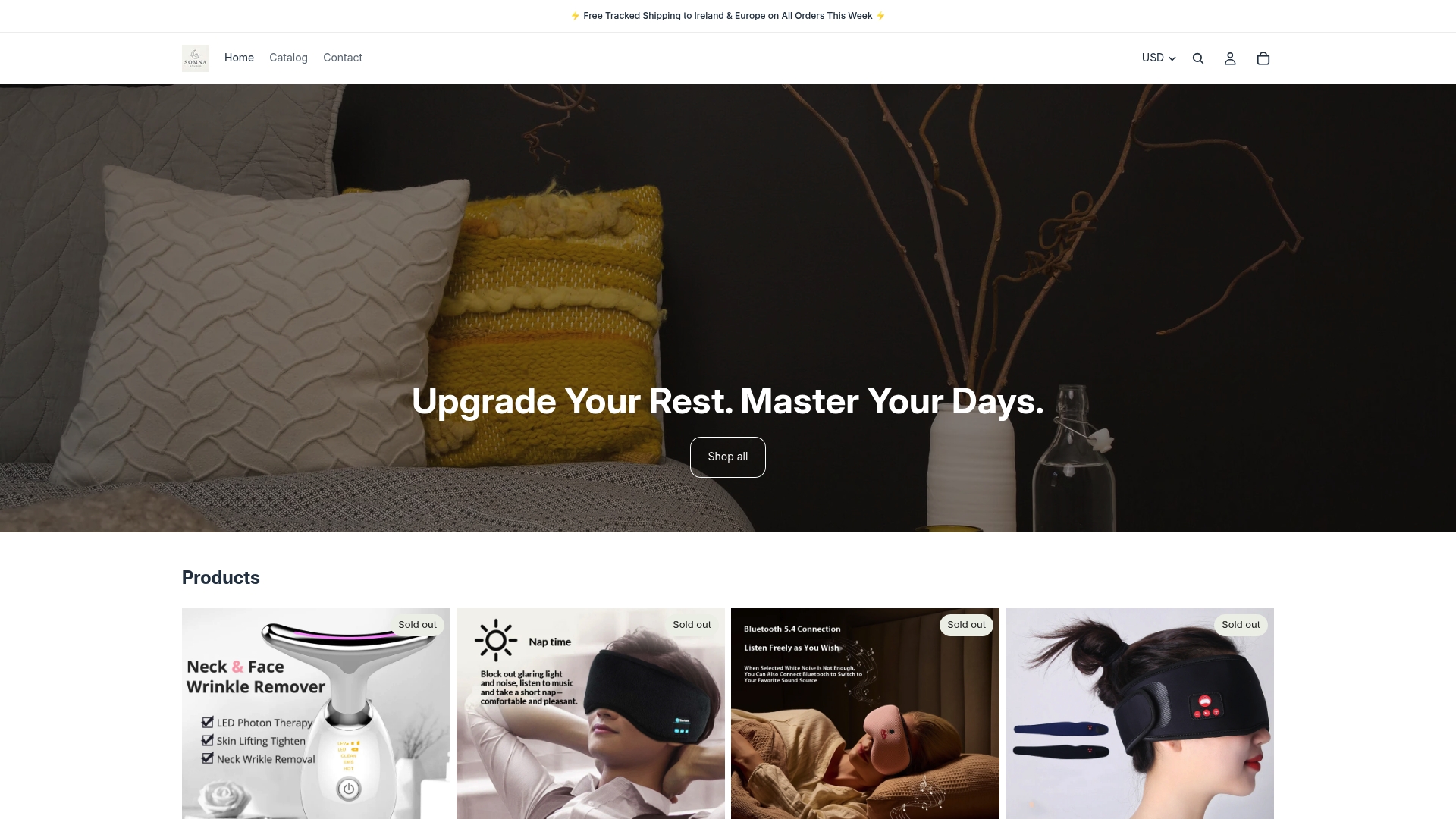
The SomnaShield noise-reduction earplugs deliver reliable sound blocking for commuters and frequent flyers. The SomnaAura range combines Bluetooth audio with 3D light-blocking design, removing the need to carry separate earbuds and a sleep mask. For neck discomfort after long journeys, the Somna Lift thermal neck contour device uses EMS technology to release tension before sleep. Every product is built around the same principle: consistent, repeatable sensory control that travels with you.
FAQ
What is the role of a portable sleep hygiene kit?
A portable sleep hygiene kit controls the four main environmental barriers to sleep: noise, light, temperature, and touch. It works by establishing a sensory safety baseline that allows the nervous system to shift into sleep readiness, regardless of location.
How many items should a travel sleep kit contain?
A core kit of 5–7 items covers all major sleep disruptors without becoming impractical to carry. Basic earplugs, a 3D sleep mask, a silk liner, a white noise source, and a travel pillow form a reliable foundation.
Does a portable sleep kit help with the first-night effect?
Yes. Tactile safety items such as a personal pillowcase or silk liner reduce the sensory novelty of a new bed, which directly mitigates the first-night effect by lowering the brain’s alertness response to unfamiliar textures.
How quickly does a sleep kit arrival ritual work?
Rapid parasympathetic regulation begins within 12 minutes of a structured arrival ritual using light control, breathwork, and core kit items. Full circadian recalibration takes approximately 30 minutes of consistent sensory input.
Are portable sleep kits useful for daily commuters, not just travellers?
Portable sleep aids for commuters work on the same principle as travel kits. Earplugs, a sound mask, and a consistent pre-sleep routine on trains or during lunch breaks can meaningfully improve rest quality across a busy working week.