
Bluetooth sleep devices are the most practical tool a traveller can carry for managing sleep disruptions on the road. They work by delivering noise masking, active noise cancellation, or calming soundscapes directly to your ears, blocking out hotel corridors, snoring seatmates, and airport ambient noise without pharmaceuticals or clinical intervention. Research confirms they reduce perceived sleep onset latency by 32.5% in controlled studies, with a statistically significant 13.3% objective reduction measured via EEG. These are not gimmicks.
Key features to look for:
- Noise masking and active noise cancellation (ANC): hybrid ANC systems can reduce ambient noise by up to 42 decibels, making a hotel room feel genuinely quieter
- Offline sound libraries: pre-loaded soundscapes that work without Wi-Fi or Bluetooth streaming, critical for flights
- Sleep tracking: sensors estimate sleep stages via movement and heart rate, though they do not measure brain waves directly
- Wireless convenience: Bluetooth Low Energy (BLE) transmits at 1–10 milliwatts, well below regulatory safety limits, posing no credible EMF risk to sleep quality
- Ergonomic design: ultra-thin profiles suited to side sleepers and prolonged transit use
Somnastudioshop’s SomnaAura line brings Bluetooth connectivity and white noise directly into a contoured sleep mask format, addressing both sound and light disruption in a single wearable.
Key benefits of using Bluetooth sleep devices while travelling
Travelling exposes you to an unpredictable mix of noise sources: snoring neighbours, traffic below hotel windows, aircraft engines, and the general hum of unfamiliar spaces. Bluetooth travel sleep aids tackle these directly.
- Effective noise masking: noise-masking wearables are low-risk, accessible tools that supplement existing sleep hygiene without pharmaceutical side effects
- Light and environment control: combined with a sleep mask, they address two of the biggest sleep disruptors in travel settings simultaneously
- Portability: compact charging cases and wireless operation mean no cables to untangle at 2 AM in a dark hotel room
- Personalised soundscapes: nature sounds, brown noise, and white noise options let you tailor the sensory environment to what actually relaxes you
- Sleep tracking on the go: integrated sensors give you a rough picture of your sleep patterns across time zones, useful for managing jet lag
- Behavioural support: the ritual of putting in sleep earbuds or a sound mask signals to your brain that sleep is coming, reinforcing the sleep onset process
How to use Bluetooth sleep devices effectively during travel
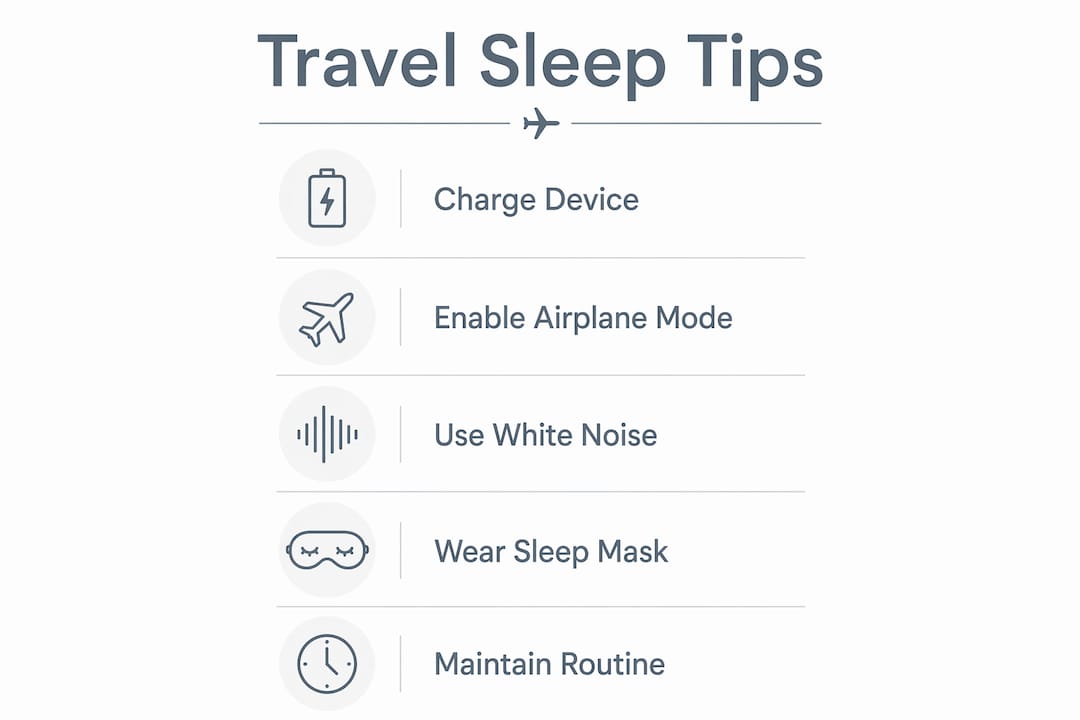
Getting the most from portable sleep devices requires a few deliberate habits, not just switching them on.
- Choose ultra-thin designs: earbuds thicker than 5–6mm press into ear cartilage when you lie on your side, causing discomfort that wakes you. Flat, low-profile designs avoid this entirely
- Use offline sound libraries: pre-loaded soundscapes remove the dependency on phone connectivity during flights or in areas with poor signal. Three pre-loaded tracks is the minimum worth accepting
- Activate auto shut-off timers: forgetting this feature drains the battery overnight, leaving you without noise masking during a layover or early morning flight. Set it before you close your eyes
- Pair devices before boarding: airports and planes are poor environments for troubleshooting Bluetooth pairing. Connect everything at the gate or in your hotel room
- Manage jet lag with consistent timing: use your sleep device at your destination’s target sleep time, not your home time zone. The sensory cue of the device helps reinforce the new schedule
- Set volume thoughtfully: loud enough to mask ambient noise, quiet enough that you would still hear a gate announcement or fire alarm. Most sleep-specific apps let you set a ceiling volume
Pro Tip: If you are concerned about Bluetooth EMF exposure overnight, most devices offer a low-power or airplane mode that disables wireless transmission while keeping the audio playing from onboard storage. The reduction in emissions is small in absolute terms, since BLE already transmits at very low power, but it removes the concern entirely.
For a broader look at how wellness devices improve sleep, Somnastudioshop’s guides cover the practical integration side in detail.
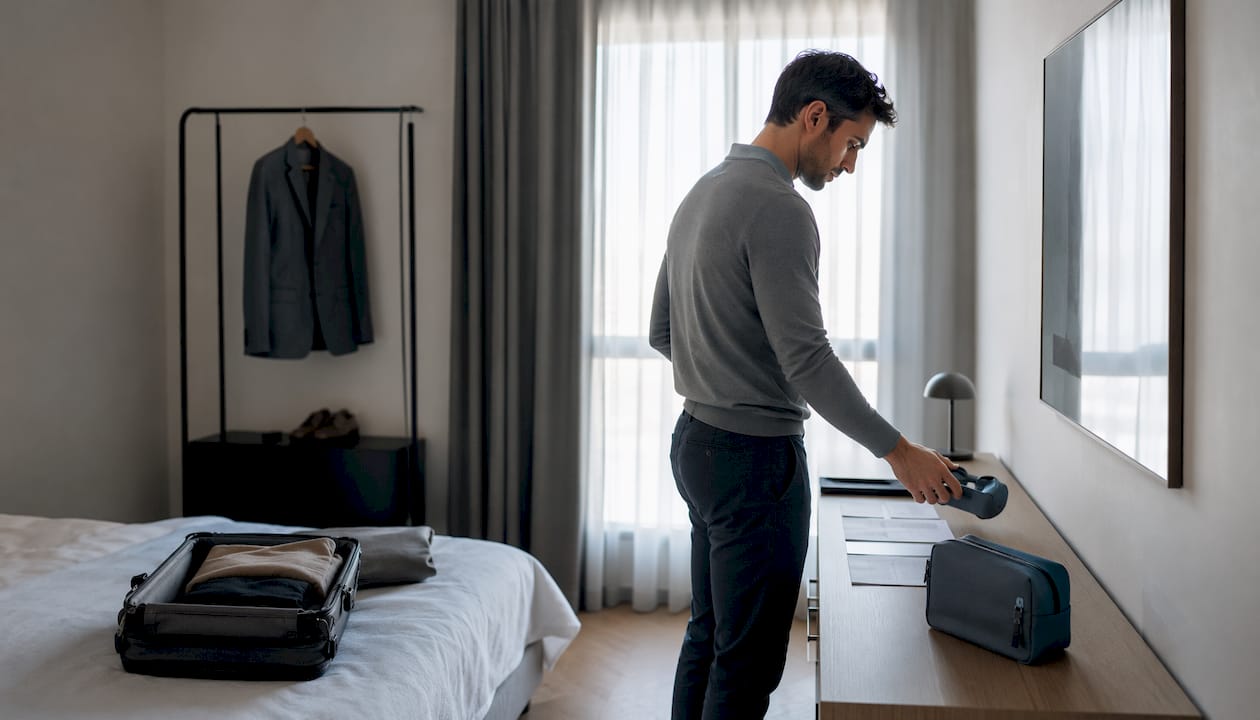
What the research actually says about device limitations
Bluetooth sleep devices deliver real benefits, but knowing where they stop is as useful as knowing where they start.
The headline finding is compelling: a 32.5% reduction in perceived sleep onset latency. The objective EEG-measured reduction was 13.3%. No statistically significant differences appeared for wake after sleep onset or number of awakenings. The devices help you fall asleep faster; they do not restructure your sleep architecture.
Research callout: Participants in a controlled study perceived falling asleep 32.5% faster when using a noise-masking wearable, with 82% reporting improved overall sleep quality.
Sleep tracking accuracy is a separate issue. Bluetooth sleep trackers estimate sleep stages from movement and heart rate rather than measuring brain activity directly. That is a meaningful gap from clinical polysomnography. Treat the data as directional, not diagnostic.
Common practical limitations worth knowing:
- Connectivity dropout: Bluetooth can disconnect mid-night, particularly near interference sources. Devices with offline capabilities handle this far better than streaming-only models
- Battery depletion: without an auto shut-off timer, a full night of ANC use can exhaust the battery before morning
- Comfort for side sleepers: earbud thickness remains the single biggest physical complaint among frequent travellers who sleep on their side
These are complementary tools, not cures. They work best alongside good sleep hygiene, not instead of it.
Supporting sleep hygiene practices that work alongside your device
The best sleep devices for travel perform better when paired with consistent behavioural habits. Technology fills the gaps; it does not replace the foundation.
- Keep a consistent sleep schedule: shifting your sleep and wake times gradually before a long-haul trip reduces the severity of jet lag
- Build a portable sleep kit: combining sleep masks and sound devices into a travel kit gives you environmental control across varied locations
- Block light actively: a contoured silk sleep mask alongside your Bluetooth device addresses both the auditory and visual disruptions that fragment sleep in hotels
- Limit caffeine after midday: no device compensates for a cortisol spike from a late-afternoon espresso
- Create a wind-down ritual: using your sleep device as part of a consistent pre-sleep routine, rather than grabbing it only when desperate, makes it more effective over time
For travellers managing irregular schedules, the sleep tech guide for professionals covers how to adapt these habits to non-standard working patterns.
Somnastudioshop’s sleep devices are built for exactly this problem
Somnastudioshop designs sleep products for people who cannot control their environment, and that describes every traveller.
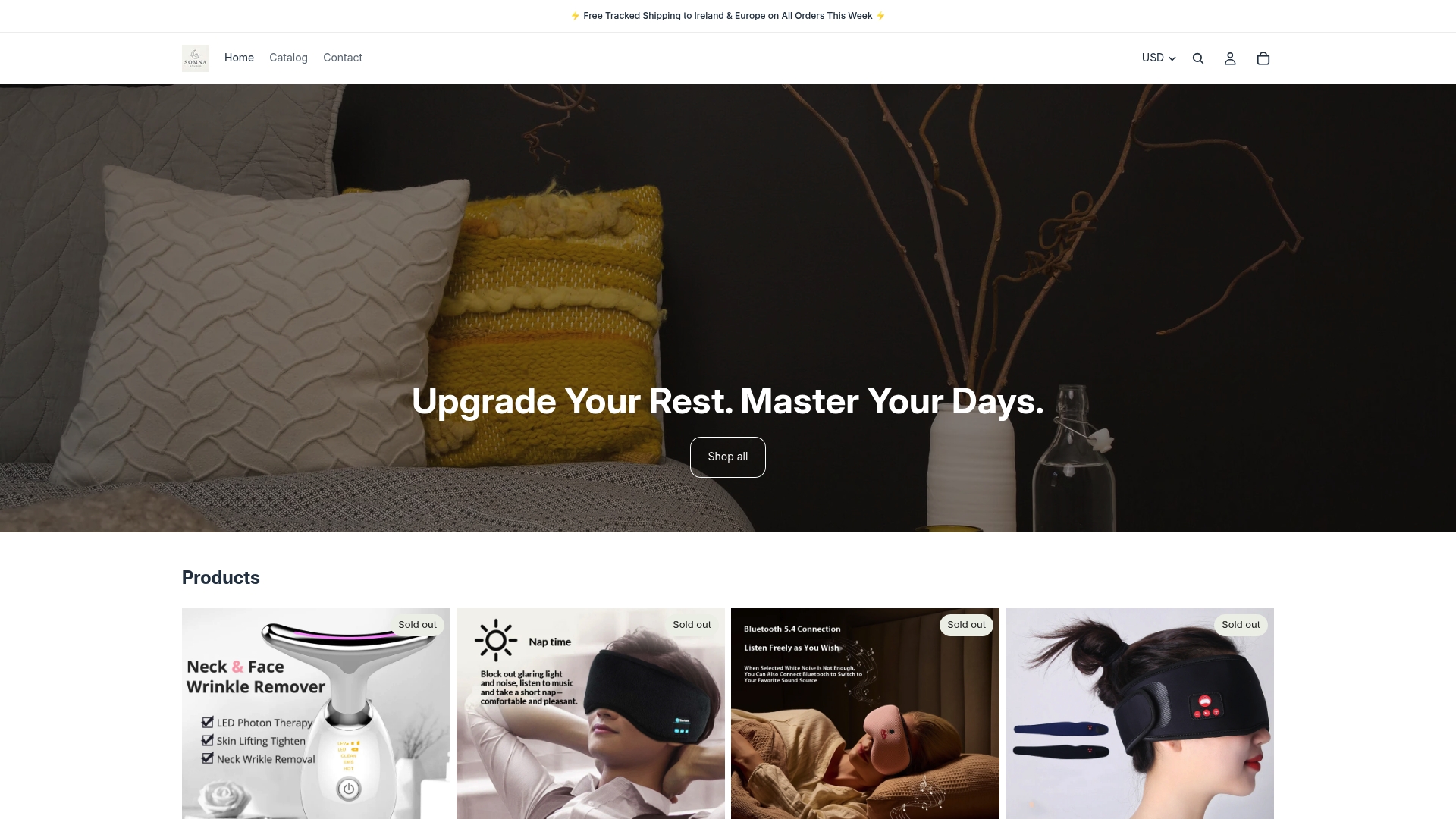
The SomnaAura Smart Bluetooth Sleep Sound Mask combines Bluetooth audio, white noise, and a contoured light-blocking mask in one wearable, so you are not managing three separate devices in a carry-on. The SomnaSilk Pure Natural Silk Sleep Mask pairs naturally with any Bluetooth sleep earbuds for complete sensory control. Both are built around user-centric design principles, with comfort for side sleepers and prolonged wear at the centre of every decision. If you are serious about sleeping well on the road, these are the tools worth packing first.
Key takeaways
Bluetooth sleep devices reduce perceived sleep onset latency significantly in research settings, representing one of the most evidence-backed non-pharmaceutical sleep aids available to travellers.
| Point | Details |
|---|---|
| Sleep onset improvement | Devices reduce perceived sleep onset latency by 32.5% and also reduce objective latency measured by EEG studies by 13.3%. |
| Offline capability matters | Pre-loaded sound libraries are essential for flights and areas with poor connectivity. |
| Battery management | Always activate auto shut-off timers; forgetting this drains the battery before morning. |
| Device limitations | Trackers estimate sleep stages from movement and heart rate, not brain activity; treat data as directional. |
| Somnastudioshop | The SomnaAura line combines Bluetooth audio and light blocking in one travel-ready wearable. |